
Are Digital Screens Quietly Stressing Your Child’s Eyes? What Parents Should Know About Vision Nutrition
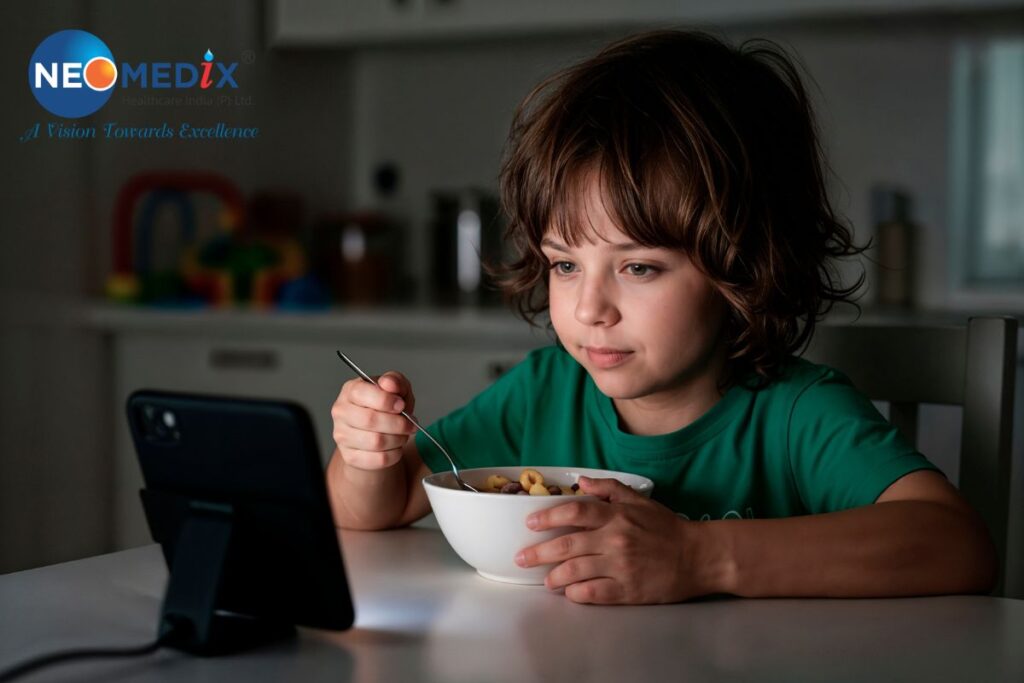
A child deeply focused on a tablet or smartphone often appears calm, engaged, and learning. Yet behind that still concentration, the eyes may be working harder than parents realize. Modern childhood increasingly revolves around screens — for education, entertainment, and communication. While technology has opened doors to knowledge, it has also introduced new visual demands on developing eyes.
Children today spend significantly more time at near viewing distances than previous generations. This shift has quietly changed natural eye behavior, often leading to digital eye strain in children, which parents may notice only as restlessness, reduced attention, or complaints of tired eyes. Supporting children’s eye comfort now requires understanding both screen exposure and eye nutrition.
How Digital Viewing Changes Children’s Visual Patterns
When children engage with digital screens, their eyes behave differently compared to natural viewing. They blink less frequently, maintain fixed focus at short distances, and sustain visual effort for longer periods. Over time, this pattern can reduce tear stability and increase eye strain from screen time.
Parents may observe subtle signs of screen-related eye fatigue in kids such as:
- Eyes appearing tired late in the day
- Frequent rubbing or blinking
- Complaints of heaviness around the eyes
- Reduced reading stamina
- Difficulty sustaining attention during homework
These symptoms do not necessarily indicate disease, but they reflect visual fatigue in growing eyes. Early recognition helps support long-term children’s eye health.
Growing Eyes Require Specific Nutritional Support
Childhood and early adolescence are critical periods for visual system development. The retina and neural visual pathways rely on adequate nutrient availability to maintain healthy function and adaptability. However, many children’s diets lack essential eye nutrients for kids due to selective eating habits or limited dietary variety.
Nutrients known to support healthy vision in children include:
- Lutein and Zeaxanthin — carotenoids concentrated in the macula that help manage light exposure
- Vitamin A — essential for photoreceptor function and visual processing
- DHA — supports neural signaling within the visual system
- Antioxidants — help manage oxidative stress associated with visual effort
Consistent intake of these nutrients supports visual comfort, resilience, and developing eyesight in children exposed to frequent screens.
KinderWoods Eye Vision Gummies: Supporting Children’s Vision in a Practical Way
Encouraging children to consume nutrient-rich foods daily can be challenging. Supplements designed for adults are often unsuitable or unappealing for young users. KinderWoods Eye Vision Gummies for kids were developed to bridge this gap by delivering essential eye nutrients for children in a child-friendly format.
The gummy form improves acceptance and routine adherence — an important factor in achieving nutritional consistency. Regular use can help maintain nutrient availability needed for developing eyes, especially in children with high screen time exposure.
KinderWoods Eye Vision Gummies support:
- Visual development during growth years
- Retinal nutrient supply
- Eyes exposed to digital devices
- Consistent daily eye nutrition
- Healthy vision habits in children
Lifestyle Habits That Complement Eye Nutrition
While nutrition supports internal eye health, daily visual habits also play a meaningful role in comfort and function. Parents can encourage simple behaviors that reduce digital eye strain in kids:
- Encourage children to look away from screens every 20 minutes
- Maintain proper screen distance and posture
- Promote outdoor daylight exposure
- Ensure adequate sleep
- Support balanced meals with eye nutrients
These habits help reduce screen-related eye fatigue while nutrition supports eye function from within.
Adapting Eye Care for a Screen Centric Generation
Technology will remain a central part of childhood learning and recreation. Rather than viewing screens as entirely harmful, the goal is to help children adapt safely to modern visual demands. Early support for eye comfort, screen habits, and nutrition helps children maintain better visual endurance and focus.
Parents often prioritize growth, immunity, and brain development — yet vision is equally fundamental to learning and development. Supporting children’s eye health and nutrition during early years can influence reading ability, attention span, and daily comfort.
KinderWoods Eye Vision Gummies provide a simple, child-friendly way to support eye nutrition in children growing up in a digital environment.